01
August 25—September 9, 2026
Italy,
one day at a time.
Three cities, several close calls, and enough gelato to make repeat cashiers recognize us.
Start in Rome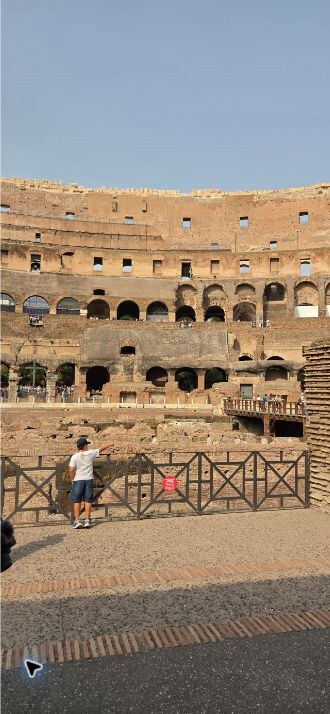

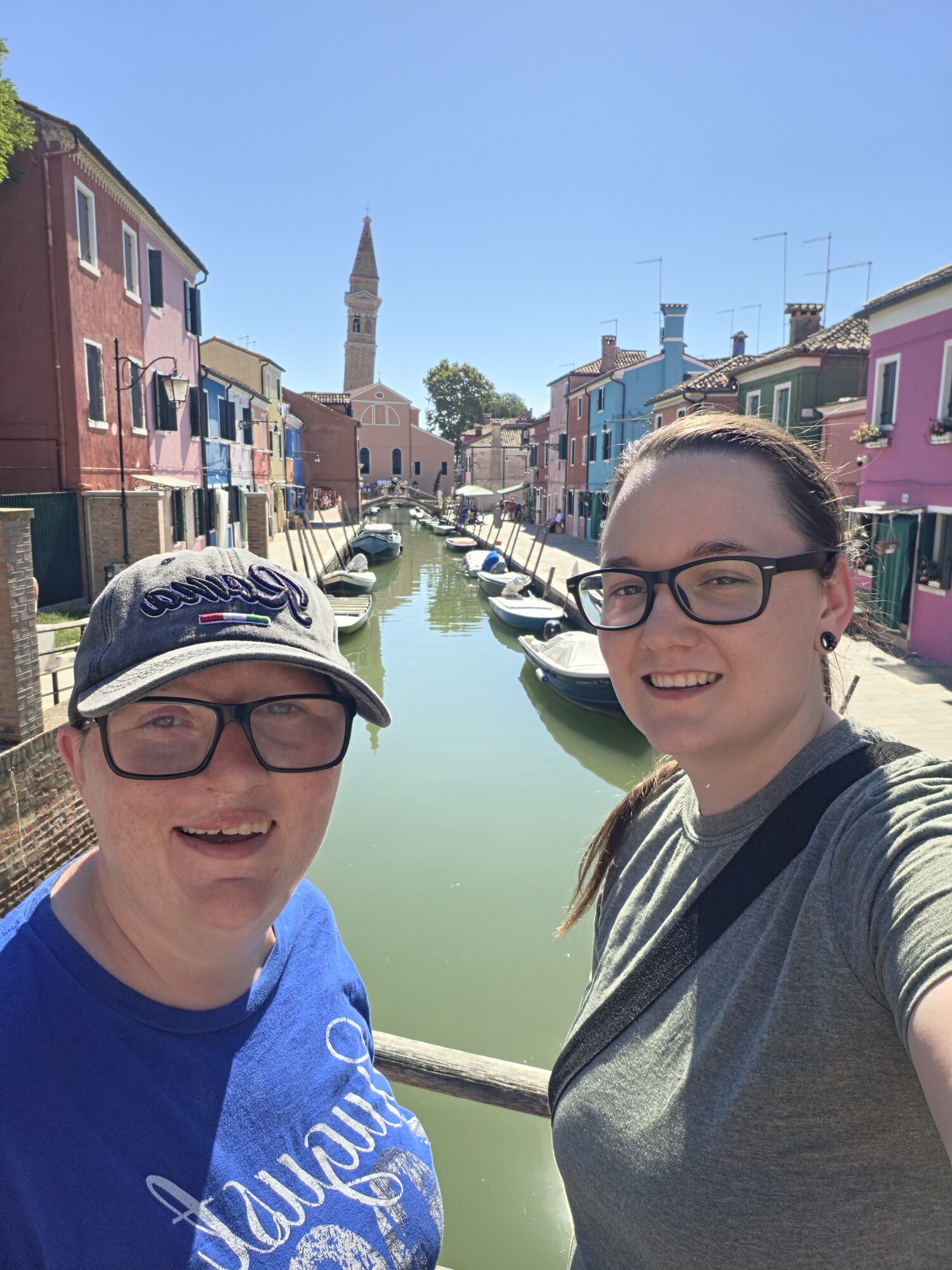
The route
One trip, city by city
Day-by-day stories, the pictures worth keeping, and the details that survived the flight home.
02
August 31—September 5
Florence
Wine windows, Tuscan hills, and museums in smaller doses.
Read the Florence story →03
September 5—9
Venice
Colorful islands, cooking classes, and the best meal of the trip.
Read the Venice story →Looking back
The trip in review
I can’t speak for Jordyn, but Rome was my favorite city. Florence came next, and Venice was good, even if it was the city I connected with least. All three were beautiful and walkable in their own way.
My top experiences
- Colosseum arena and first floor
- Rosa’s cooking class in Venice
- Rome food tour
- Tuscany tour
- Pantheon
- Pompeii
Food tours
- Rome
- Florence
- Bologna
- Venice
Cooking classes
- Venice with Rosa
- Florence pizza and gelato
- Rome’s three pastas
Best meal
Our anniversary dinner at Osteria Barababao—especially Jordyn’s steak, which I did not order and still remember.
Best local bite
Piping-hot bruschetta with garlic and artichoke purée in Rome.
Favorite gelato
Dark chocolate and salted caramel in Bologna.
Next time
Fewer museums, and a better plan for getting door to door from the airport.
The complete camera roll
View all pictures
These are the pictures that made the story. The rest—including duplicates, alternate angles, and everything we couldn’t reasonably fit here—are in the full album.
From the kitchen
Recipes
We took three cooking classes, so we’d like to share the recipes we learned how to make. The biggest lesson? Pasta making is easier than you would think.
Rome
Roman sauces
Cacio e pepeServes 2
Ingredients
- 160 g tonnarelli
- 100 g Pecorino Romano, grated
- 1 tablespoon dry white wine
- 1 tablespoon freshly ground black pepper
- Salt
Method
- Cook the tonnarelli in lightly salted water. Reserve plenty of the starchy pasta water before draining.
- Mix most of the Pecorino with a little cold water to make a thick cream.
- Toast the pepper in a wide pan. Add the wine and a ladle of the foamy pasta water.
- Add the drained pasta and toss. Take the pan off the heat, then work in the Pecorino cream. Add reserved pasta water as needed until the sauce is smooth.
- Finish with the remaining Pecorino and black pepper.
Pasta all’AmatricianaServes 2
One of Rome’s oldest traditional pasta dishes, Amatriciana traces its roots to Amatrice, a shepherds’ village north of Rome.
Roman sauces are built from only a few ingredients, so proportion matters. Think of it like composing music: every note should arrive at the right time.
Ingredients
- 160 g bucatini or spaghetti
- 50 g guanciale
- 20 g grated Pecorino
- 20 g grated Parmesan
- 5 ripe Roma tomatoes, fresh or canned
- 4 tablespoons dry white wine
- ½ tablespoon extra virgin olive oil
- Salt, to taste
- A small piece of peperoncino, optional
First Movement · Adagio
Bring 2 liters of water to a boil. As a general rule, use at least 1 liter of water for every 100 g of pasta.
Second Movement · Largo
Heat the olive oil in a pan. Once hot, lower the heat and add the sliced guanciale. Stir with a wooden spoon and allow it to roast.
Add the white wine and increase the heat so the wine can evaporate.
Add the tomatoes, cut into small cubes. Stir everything together and cook over high heat for about 1 minute. Lower the heat, cover with a lid, and simmer for about 10 minutes.
Third Movement · Allegro
While the sauce simmers, add the pasta to the boiling water. Taste the sauce before adding salt, since the guanciale and cheese will already contribute saltiness.
Cook the pasta until al dente. Return the sauce pan to the heat, drain the pasta, and add it directly to the sauce.
Final Movement · Finale Maestoso
Add the Pecorino and Parmesan and toss everything together. Serve immediately.
Suggested soundtrack: Rossini’s Tarantella.
Pasta alla CarbonaraServes 2
Carbonara is one of Rome’s most famous pasta dishes and, compared with the city’s other classics, a relatively recent one.
One popular story places its origins around the end of World War II, when American ingredients such as powdered eggs and bacon met Roman pasta traditions.
As with Amatriciana, the key is simplicity and proportion. Every ingredient has a role.
Ingredients
- 160 g spaghetti or fettuccine
- 50 g unsmoked diced pancetta or bacon
- 2 egg yolks
- 50 g Pecorino, grated
- Freshly ground black pepper, to taste
- ½ tablespoon extra-virgin olive oil
First Movement · Adagio
Bring 2 liters of water to a boil. As a general rule, use at least 1 liter of water for every 100 g of pasta.
Second Movement · Largo
Heat the olive oil in a pan. Add the diced pancetta and stir with a wooden spoon. After about 1 minute, reduce the heat and continue cooking until the pancetta becomes translucent and lightly crisp. Remove the pan from the heat.
Third Movement · Allegretto
In a bowl, whisk the egg yolks with ½ tablespoon of the rendered pancetta fat, half of the grated Pecorino, and freshly ground black pepper. Mix until creamy.
Fourth Movement · Adagio Maestoso
Add the pasta to the boiling water. Salt carefully, since both the Pecorino and pancetta are already salty.
When the pasta is cooked, reserve some of the starchy cooking water before draining. Return the pancetta pan to the heat and add the drained pasta. Add about half a glass of reserved pasta water and toss for a couple of minutes, adding more water if needed to create a creamy consistency.
Fifth Movement · Allegro Assai
Remove the pan from the heat. Add the egg-and-cheese mixture and toss quickly until the pasta is coated in a smooth cream. Add a little more reserved pasta water if necessary.
Finish with the remaining Pecorino and freshly ground black pepper. Serve immediately.
Suggested soundtrack: Vivaldi’s Spring.
A warning from the recipe: be careful not to turn the sauce into scrambled eggs.
Florence
Pizza and gelato
PizzaMakes 1 pizza
Dough ingredients
- 170 g (6 oz) “00” or all-purpose flour
- 100 ml (3.5 oz) water
- 1 pinch fresh yeast, about 0.5 g (0.018 oz)
- 1 teaspoon salt, about 5 g (0.17 oz)
Prepare the dough
- Dissolve the yeast in half a cup of the water.
- Sift the flour into a bowl. Pour in the water with the dissolved yeast and mix by hand until the flour has been absorbed. Add the salt. If the dough is sticky, add a little more flour.
- Clean your hands and the work surface, then lightly dust the surface with flour. Knead with the heel of one hand by stretching the dough and folding it back over itself. Repeat for about 5 minutes, until the dough is smooth and elastic. It should be neither too hard nor too soft.
- Throw the dough forcefully against the work surface 10 times to activate the rising process.
- Pinch the ball between two fingers. With the other hand, pull the held dough over the ball and push it underneath with your thumb. Continue until the surface is smooth.
- Place the dough in a bowl, cover with clingfilm, and leave it at room temperature. A batch for about five people should rest for roughly 12 hours. Temperature and water can change the timing. If small bubbles begin forming, it has rested too long.
- After rising, refrigerate the dough for at least 24 hours to mature. It can remain refrigerated for up to two days or be frozen for up to one month. Remove chilled or frozen dough two hours before using it.
- Place the dough on a lightly floured surface and gently press it into a circle with your palms. Press and massage the base with your fingertips without touching the border, rotating as you work. Stretch and turn it with both hands, then use gravity to rotate the edge over the side of the work surface.
- Dust the backs of your hands with flour, place the pizza base over them, and spin it like we learned in class.
Topping ingredients
- 100 g peeled Roma-style tomatoes
- 1 teaspoon salt
- Dried oregano
- Fresh basil, torn by hand
- Extra virgin olive oil
- Fior di latte mozzarella and other toppings of your choice
Prepare the topping
- Crush the peeled tomatoes by hand into a purée. Mix in the oregano, salt, basil, and olive oil.
- Spoon the sauce into the middle of the pizza and spread it outward in circles, reaching but not touching the border.
- Add your preferred toppings. Options include fior di latte mozzarella, mushrooms, olives, ham, bell pepper, zucchini, fresh sausage, and salami. Partially cook vegetables such as bell peppers and zucchini before adding them.
Cooking options
- Wood-fired oven: Use oak or beechwood and bake for about 1½ minutes at 450°C (about 840°F). Rotate the pizza without changing its position in the oven.
- Pizza stone: Heat the oven and stone to their maximum temperature. Place the pizza on the stone and bake for about 7 minutes.
- Standard oven: Heat the oven to its maximum temperature. Bake for about 10 minutes, adding the sauce and toppings halfway through for the final half of cooking.
Fior di latte gelato580 g base
This is the base recipe used to make many different flavors. We added chocolate chips to ours, making it stracciatella. Highly recommend.
Ingredients
- 350 g milk
- 120 g cream
- 110 g sugar
- Chocolate chips, optional
Method
- Prepare the mix. Weigh the milk and cream into a plastic container. Weigh the sugar in a metal bowl, add it to the milk and cream, and mix. If using egg yolk or unpasteurized milk, heat the mixture to 80°C (176°F), then cool it using a bain-marie.
- Chill. For the best results, refrigerate the mixture for 8 hours, stirring from time to time. Skip this step for any gelato containing chocolate.
- Freeze and churn. Churn the mixture in a gelato maker for about 25 minutes, or follow your machine’s instructions. Use a food thermometer to make sure the gelato reaches -7°C (19°F) before placing it in the freezer.
- Harden and serve. Freeze for no more than about 1 hour. Longer freezing can create large ice crystals and make the gelato too hard. If serving it the next day, let it sit out for 15 minutes first. Add the chocolate chips immediately before serving to make stracciatella.
Venice
Cooking with Rosa
Fresh pastaBase recipe
Ingredients
- 1 egg
- 100 g flour
- Semolina, for tossing
- Salt, for the cooking water
Method
- Mix the egg and flour into a dough. Wrap and refrigerate for at least 30 minutes and up to 5 hours.
- Roll the dough 4 to 5 millimeters thick, or thin enough to see through. Cut it and toss it in semolina.
- Boil in salted water. Remove the pasta when the water returns to a boil.
Ravioli fillingFor fresh pasta
Ingredients
- 2 tablespoons Parmesan
- 2 tablespoons ricotta
- 1 egg yolk
- 1 tablespoon pesto, drained of excess oil
- 10 splashes black pepper
Method
Mix everything until homogeneous, then use it to fill the fresh pasta.
Tomato saucePer person
Ingredients
- 200 g tomatoes
- 1 tablespoon extra-virgin olive oil
- 1 unpeeled garlic clove
- Onion, to taste
- 7 g salt
Method
- Score the tomatoes, boil them for five minutes, then move them to an ice bath. Peel and crush them.
- Sauté the onion with the olive oil and unpeeled garlic.
- Add the tomato purée, cover, and simmer for about 20 minutes, until reduced by roughly one-third.
- Add the salt at the end.
TiramisùRest overnight
Ingredients
- 6 eggs
- 6 tablespoons sugar, divided
- 500 g mascarpone
- Freshly brewed coffee, preferably from a moka pot
- Ladyfingers
- Cocoa powder
Method
- Separate the egg whites and yolks. Beat the whites with 4 tablespoons of sugar to stiff peaks. Mix the yolks with the remaining 2 tablespoons.
- Combine the mascarpone with the yolks, then gently fold in the whites to keep the mixture airy.
- Spread a layer of mascarpone cream in the dish. Briefly dip the ladyfingers in fresh coffee so they are soaked but not soggy, then add a layer of ladyfingers and dust with cocoa.
- Repeat the layers and finish with cream. Cover and refrigerate overnight.
- Dust generously with cocoa before serving.
Rosa’s RainbowRoast about 1 hour
Ingredients
- An assortment of fruits and vegetables
- Extra-virgin olive oil
- Salt and black pepper
- Fresh sage, rosemary, thyme, mint, or basil
Skip mandarins, green apples, bananas, and cumin. Our version included eggplant, onion, garlic, kiwi, and squash.
Method
- Clean the produce and chop it coarsely.
- Toss with olive oil, salt, and black pepper. Roast at 180°C for about one hour.
- Add the fresh herbs after roasting so they do not dry out.